DREIDEL DRIVE



By: Julie Loftis, JFS Marketing Specialist
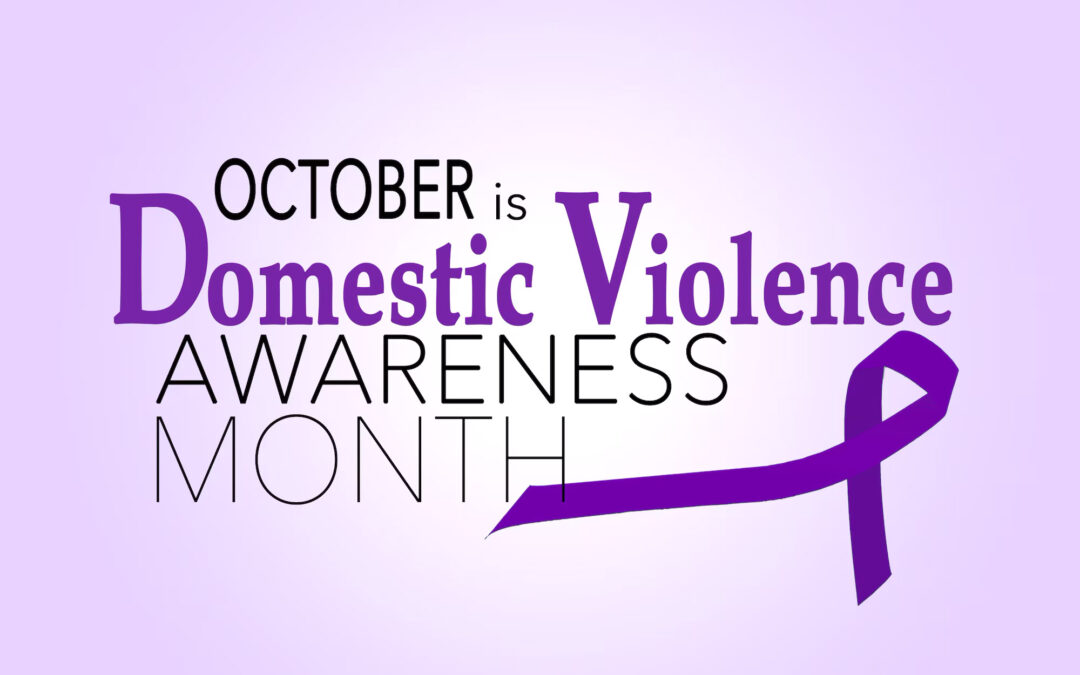
This October, the purple ribbons and messages of solidarity you may see around Charlotte are more than symbolic gestures. They mark Domestic Violence Awareness Month, a national observance that reminds us of the prevalence of abuse, the silence that often surrounds it, and the urgent need for community response. This year, Jewish Family Services’ (JFS) campaign theme, #Every1KnowsSome1, is a reminder that domestic violence is not an issue happening “somewhere else” to “other people.” It is here, it is widespread, and it affects people we know.
Domestic violence touches lives across every race, religion, age, gender, and socioeconomic group. National statistics show that one in three women and one in four men experience some form of abuse in their lifetimes. According to Jewish Women International (JWI), in Jewish communities, the rates are similar: studies estimate that 15 to 25 percent of Jewish women and three to five percent of Jewish men experience battering or abuse from an intimate partner. Despite these sobering numbers, the subject has historically been under-acknowledged in Jewish communal life.
Experts point out that cultural factors can make abuse especially difficult to confront. Jewish women tend to remain in abusive relationships significantly longer than the national average—seven to thirteen years compared to three to five years for non-Jewish women. According to Jewish Community Relations Council (JCRC), the emphasis on “Shalom Bayit”, or peace in the home, can contribute to a stigma around speaking out. Survivors often feel pressure to maintain appearances or worry about bringing shame to their families or communities. In some cases, religious and cultural dynamics can even become tools of control; the withholding of a religious divorce, has been cited as one example of abuse uniquely affecting Jewish women.
“Domestic violence doesn’t have one look,” says one JFS clinician. “It is not confined to any one neighborhood, denomination, or income level. Survivors are our friends, our coworkers, our neighbors—and often we don’t even know their story.” That reality is what drives the #Every1KnowsSome1 campaign. The theme underscores that while many survivors remain hidden due to stigma, silence, or fear, their presence is all around us. Recognizing this is a first step toward meaningful change.
The campaign also seeks to dismantle myths. One common misconception is that abuse does not occur in Jewish communities; in truth, it crosses every demographic line. Another is that friends or family members would surely recognize if someone close to them were being abused. The reality is that survivors frequently suffer quietly, concealing their experiences to avoid judgment or protect themselves. As the campaign stresses, you may not know someone’s story, but you almost certainly know someone who has been affected.
Research also highlights how survivors in Jewish communities are more likely to turn to rabbis, educators, or other faith-based leaders for help rather than secular institutions. This underscores the need not only for increased awareness but also for stronger communal capacity to support survivors in ways that are compassionate, informed, and safe.
Domestic Violence Awareness Month is a call to action. Awareness can break silence, and silence-breaking can create the space for healing and safety. While statistics help reveal the scope of the problem, the campaign’s message returns to something more personal. If one in three women and one in four men will experience abuse, then indeed, every one of us knows someone. The challenge is to recognize that truth and respond with empathy, support, and a willingness to stand against abuse in all its forms.
Throughout the month of October, JFS will have information in the front lobby of the LJCC to spread awareness and education. Confidential help is available for anyone experiencing domestic violence. Jewish Family Services offers counseling and resources locally, and the National Domestic Violence Hotline can be reached at 1-800-799-SAFE (7233). For survivors, the path forward is often difficult, but the message of this October’s campaign is clear: no one is alone, and together, communities can work to end the silence that has shielded abuse for far too long. Jfscharlotte.org
By: Howard Olshansky, JFS Executive Director
Attention-Deficit/Hyperactivity Disorder (ADHD) is one of the most commonly diagnosed conditions in both kids and adults. According to the Centers for Disease Control and Prevention (CDC), about 6 million children in the U.S., nearly 10%, have been diagnosed with ADHD, and about 4–5% of adults live with it. With so many people affected, you’d think there would be a clear answer on the best way to treat ADHD. The truth is, experts often disagree, and families can feel caught between very different approaches.
That said, as long and as frequent ADHD has been diagnosed, there have always been conflicting theories as to the best way to treat ADHD. So, what are the main theories about ADHD treatment, and what might that mean for you or your loved ones?
Medication: The Medical Model
For many doctors, the first treatment they recommend is medication. Stimulants like Ritalin or Adderall are often called the “gold standard” because they can quickly improve focus, reduce hyperactivity, and make it easier to manage daily life. Many parents and adults report that medication feels like flipping on a light switch; it helps them finally sit still, pay attention, or get through a workday without constant distraction.
But medication isn’t perfect. Side effects like appetite loss, trouble sleeping, or mood changes can be tough. Some families also worry about long-term use, or about the possibility of misuse, especially among teens and young adults. This leads many people to wonder if medication should really be the only option or just one part of the solution.
Therapy and Skills Training
Another common approach focuses less on brain chemistry and more on behavior. Therapies like cognitive-behavioral therapy (CBT) or parent training help kids and adults build tools for everyday life. For kids, this might mean learning to follow routines, stay organized, or handle frustration without melting down. Parents may learn strategies for setting clear expectations and using positive reinforcement. Adults often focus on time management, breaking tasks into smaller steps, or learning how to manage emotions.
The upside is that therapy builds long-term skills that medication alone can’t provide. The challenge, though, is that severe symptoms can make it hard for some people to benefit from therapy without medication as support.
Lifestyle and Holistic Approaches
Beyond medication and therapy, some families and adults explore lifestyle changes. Exercise is one of the most researched areas. Regular physical activity has been shown to boost focus and reduce impulsivity. Diet is another hot topic, with some studies suggesting that cutting back on processed foods or adding omega-3 supplements may help.
Mindfulness and meditation are also gaining traction. For kids, this might look like short breathing exercises at school; for adults, it might mean daily meditation to calm racing thoughts.
The big question here is whether these changes are powerful enough on their own. Most experts say they can be very helpful but work best when combined with other strategies rather than as stand-alone treatments.
Alternative and Controversial Ideas
There are also more unconventional theories. Some people argue that ADHD is over diagnosed, or that it reflects a mismatch between traditional schools/workplaces and how some brains function. From this perspective, the “treatment” is less about fixing the person and more about changing the environment, such as more flexible classrooms, shorter work meetings, or reduced screen time.
Others explore treatments like neurofeedback, herbal supplements, or chiropractic care. While some individuals swear by them, the scientific evidence is still limited, and results can be unpredictable.
Putting It All Together
If you’re feeling confused, you’re not alone. ADHD treatment is not one-size-fits-all. What works for one child or adult may not work for another, and sometimes it takes trial and error to find the right balance.
For many, the best approach is a mix: maybe medication for symptom relief, therapy for skill-building, and lifestyle changes for overall well-being. It’s also important to keep an open mind because what works for your family today may change over time as needs and circumstances shift.
The debate over ADHD treatment will likely continue, but one thing most experts agree on is this: people with ADHD can thrive with the right support. Whether that comes from medication, therapy, lifestyle changes, or a combination, the key is tailoring the approach to the individual.
Practical Tips for Families and Adults Considering Treatment
Start with a trusted professional. A pediatrician, psychiatrist, or therapist can help guide you through treatment options and make recommendations tailored to your needs.
Weigh the pros and cons of medication. Ask about side effects, how long medication lasts, and what signs to look for that it’s working (or not).
Consider therapy alongside medication. Skills training and coping strategies often provide benefits medication alone can’t.
Don’t overlook lifestyle basics. Good sleep, regular exercise, and balanced nutrition can all make a noticeable difference.
Stay open to adjustments. ADHD symptoms and needs can change over time, so it’s common to tweak treatment plans as kids grow or adults enter new life stages.
Involve the support system. Teachers, family, and even employers can play a big role in creating environments where someone with ADHD can succeed.
By: Howard Olshansky, JFS Executive Director
As preparations begin for the High Holidays, our home and families gear up for the most special time of year in the Jewish culture. We anticipate gathering with family we might not often see, plan for special meals, attendance at High Holiday services and some families might be traveling to be with extended family. For many all this planning can be stressful. However, for a family with a child or adult on the autism spectrum, preparing for the holidays is much more than just a heightened level of stress.
Let’s start by understanding the scope of the issue. Autism Spectrum Disorder (ASD) is increasingly recognized: in the United States, 1 in 31 children—about 3.2 percent—were identified with ASD by age 8. Extrapolating to the adult population, approximately 5.4 million U.S. adults—or around 2.2 percent—live with autism. Globally, the estimated prevalence is roughly 1 in 100 children, though some newer estimates suggest closer to 1 in 127 individuals—about 61.8 million people worldwide. Given these figures, it’s likely many families will share the holidays with someone on the spectrum—making preparedness and empathy important.
When a loved one is on the autism spectrum, the Holidays can bring multiple challenges especially given sensory sensitivities, disrupted routines, and social expectations. Understanding these dynamics is key to crafting a more inclusive, supportive holiday experience.
Key Challenges
Autistic individuals often depend on predictability. Holidays naturally interrupt daily structure—travel, staying at different homes, altered sleep and meal schedules—all of which may trigger stress or behavioral challenges. Establishing a simplified schedule or visual plan for each day can help ease transitions.
Crowded gatherings, loud music, festive lights, diverse foods, and ambient smells can overwhelm someone with sensory sensitivities. Packing a “sensory survival kit”—noise-reducing headphones, familiar snacks, fidget toys, or sunglasses—offers immediate relief. Visiting a new venue beforehand, viewing pictures or maps, or identifying quiet spaces can provide predictability and reduce anxiety. This is especially relevant if you are planning to attend services.
Holiday gatherings often come with intense social interaction: small talk, group conversations, mingling with distant relatives. People with ASD may struggle to participate or may disengage completely. It helps to carve out breaks—moments of downtime or exits to calm spaces. Offering advance notice about who will be there, along with clear expectations (“we’ll have a meal, share gifts, then watch a movie”), allows better emotional preparation. Please keep this in mind if you are hosting someone on the spectrum and make as many accommodations, as possible.
Caregivers may face emotional and physical tolls during holidays, especially when attempting to balance everyone’s needs. Siblings may feel overlooked; parents may struggle to juggle specialized support alongside holiday tasks. Building in individual time—quiet breaks, one-on-one attention, rotating responsibilities—can help reduce burnout and maintain connection.
Some strategies to plan for a smoother High Holiday experience
Prep with visuals and predictability
Share images of the holiday location or attendees.
Use calendars, timers, or checklists to communicate what’s coming next.
Create sensoryfriendly spaces
Identify or designate quiet zones in the event space.
Bring comfort tools: headphones, weighted blanket, favorite object.
Set clear expectations with guests
Brief visitors gently about sensory needs or communication styles.
Ask relatives to avoid surprises and respect schedules.
Offer choices and autonomy
Let your loved one control pacing: rest first, socialize later; choose meal order; skip certain activities if they feel uncomfortable.
Balance traditions with flexibility
Stick to core routines, when possible, but be ready to adapt.
Prioritize meaningful parts of celebration and let go of others.
Look after caregiver wellbeing
Schedule breaks and enlist help from others.
Use virtual check-ins or supportive resources if in-person help is limited.
Why It Matters
Managing holidays with an autistic loved one is more than logistical planning—it’s an act of inclusion and love. By holding space for their sensory, communication, and emotional needs, the experience becomes richer for everyone. It models respect for neurodiversity and nurtures deeper family bonds. As prevalence continues to rise—1 in 31 children in the U.S., and around 1 in 127 people globally—more families will engage in this balancing act, making awareness and adaptive practices vital.
Final Thought
The holidays may never be as carefree or spontaneous if you’re supporting a loved one on the spectrum—but they can be deeply meaningful. With preparation, sensitivity, and open communication, you can craft celebrations that honor everyone’s comfort and joy. After all, the true gift is connection—shared in ways everyone can feel included.