Healthy vs. Unhealthy Teen Relationships

Healthy vs. Unhealthy Teen Relationships

Healthy vs. Unhealthy Teen Relationships

Know the Difference and How To Protect Your Teen

As parents, from the time our children are infants, we strive to do everything we can to protect them from being hurt, both physically and emotionally. We do our best to make sure they go to the finest schools, know how to select the right friends, and teach them to stay away from negative influences.

 And yet, in our society, impacting all socioeconomic groups, according to the National Council On Crime and Delinquency, one in three girls in the US will be a victim of physical, emotional, or verbal abuse from a dating partner and 1.5 million high school students will experience abuse from a dating partner in a single year. One quarter of the abuse was first experienced between the ages of 11 and 17 years. Many of these youth fear reporting the abuse, so the number of abuse incidents is likely much higher than documented. And sadly, it does not end in high school. Nearly half of all dating college women report experiences of violent and abusive dating behavior. 

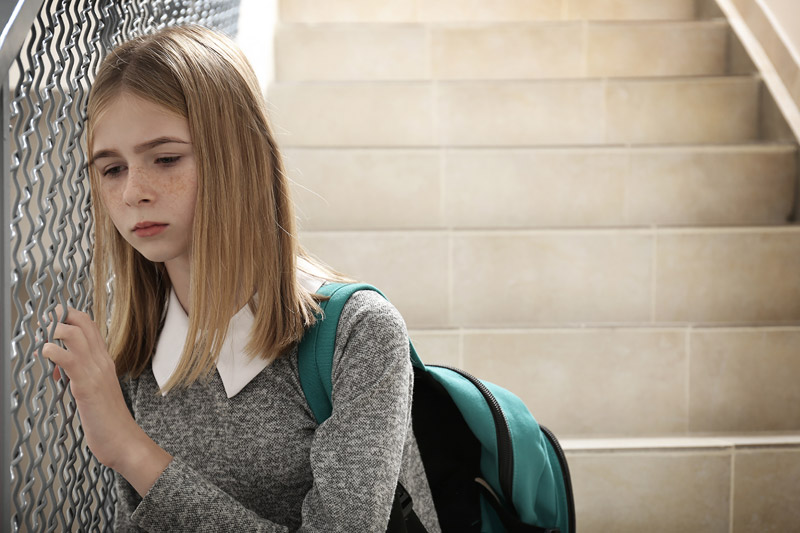
Unfortunately, while the data demonstrates the enormity of the issue, there is a lack of awareness regarding the prevalence of teen dating violence. Only 33% of teens who were involved in an abusive relationship told anyone and equally significant and surprising is the fact that 81% of parents do not believe teen dating violence is an issue. Most parents assume their children are not at risk. Hopefully, your teen knows and understands healthy relationships and won’t need to work through an unhealthy relationship. Sometimes everything starts out great but slowly changes into a less healthy dynamic. Healthy and unhealthy relationships may not be clear cut. It is not uncommon for teens to get pulled into unhealthy relationships during their youth, which is a time when they’re trying to figure themselves and their peers out. 

One of our greatest challenges is helping to protect our children when they don’t want it or think they don’t need it. As teens, our kids believe they are capable of handling any situation that comes their way, especially with their friends, peers, and dating relationships. Parents often feel they are bystanders as teens are often seen as only being influenced by their peers and social media. Yet teens consistently say that parents – not partners, not pop culture – most influence their decisions about relationships and sex.

So, as a parent, what should you do?

If you are ever worried about relationship dynamics that you see going on for your teen, we offer the following tips for helping to keep you teen safe from dating violence:

  • It’s never too early to teach your child acceptable behaviors in a relationship. Create an environment that makes it comfortable to share their feelings and experiences
  • Understand what constitutes an abusive relationship, it’s not just about physical violence: Yelling, bullying, constantly being put down, controlling behaviors, inappropriate postings on social media are all types of abuse.
  • Check in regularly with your teen about their dating experiences. They may be resistant to sharing, however, helping them to understand that you are truly interested and just not prying will help open the dialogue.
  • Share your experiences, the good and the bad.
  • Plan an activity where you can meet your teen’s partner.
  • Monitor your teen’s behavior for warning signs: A decline in school performance and other activities, changes in personality, changes in eating or sleeping habits, signs of depression or anxiety, increased secretiveness, use of drugs or alcohol, obsession with dating partner, physical signs of abuse such as bruises, scratches, or other injuries. 

February is Teen Dating Violence Awareness Month, a great time to talk about healthy and unhealthy relationships. Keep an open mind as teens mostly fear being blamed for the abuse. Let your teen know you care and are available if they are ever feeling uncomfortable in a relationship. 

Join us for Dating Abuse; Tools for Talking to Teens on February 20 from 6:30–8 PM in the Teen Meeting Room in Shalom Park. For more information or to RSVP to this program, call Jewish Family Services at 704- 364-6594.

JFS Annual Senior Adult Chanukah Party

JFS Annual Senior Adult Chanukah Party

JFS Annual Senior Adult Chanukah Party

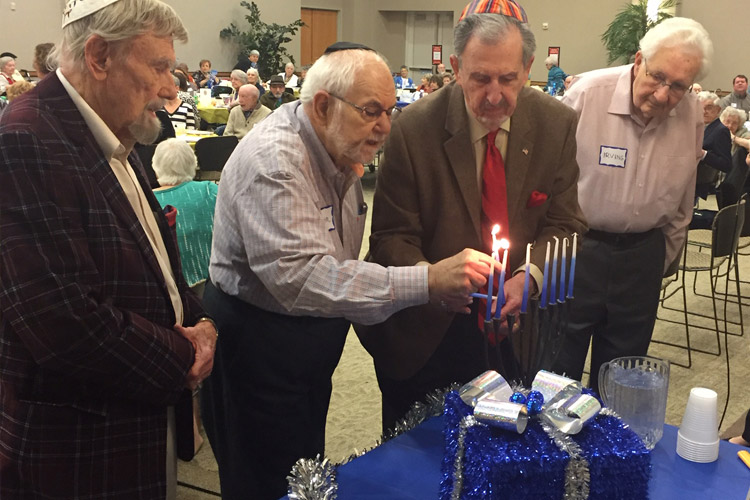
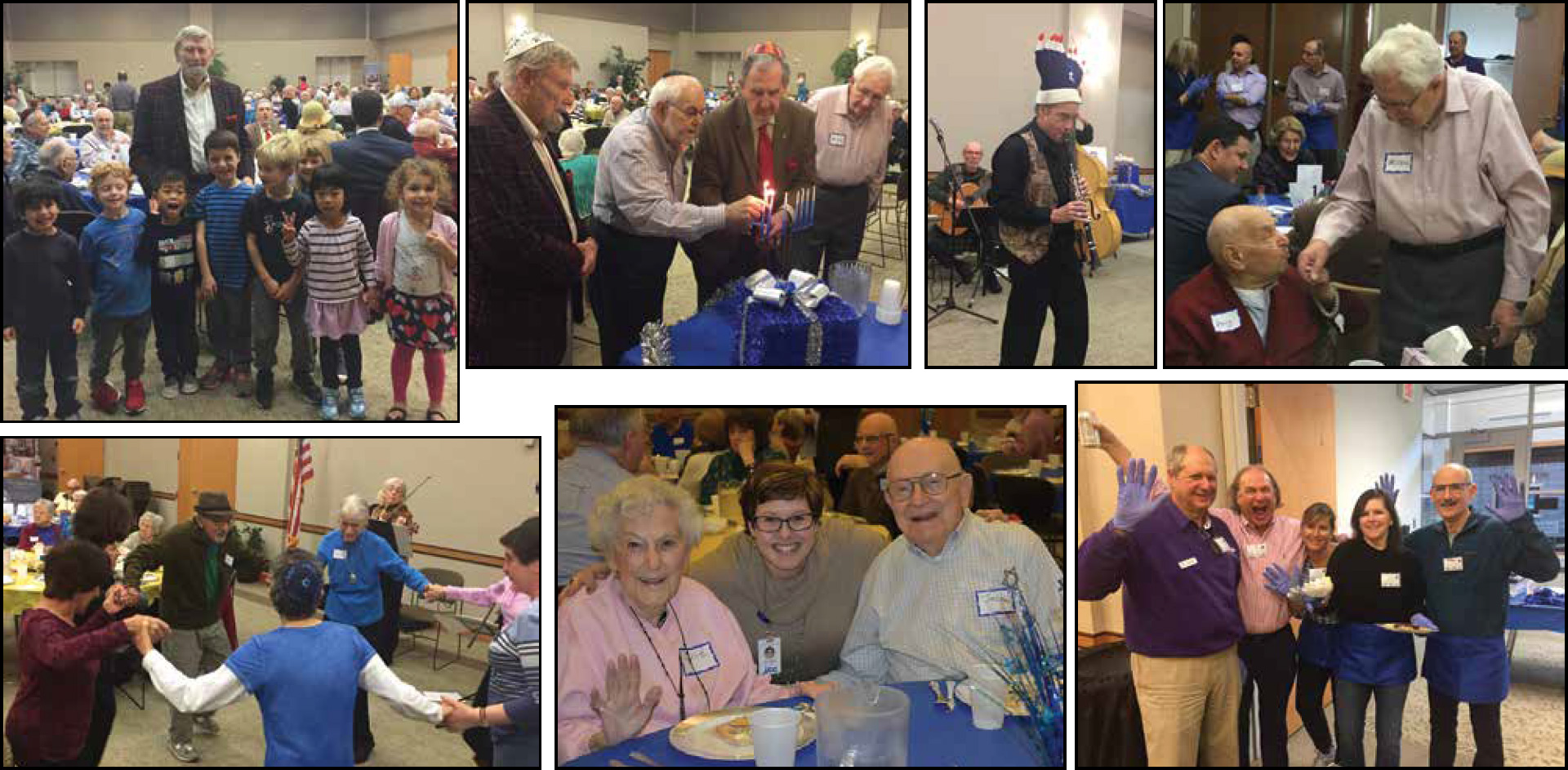
The Senior Adult Chanukah party was an afternoon filled with laughter, music, entertainment, good food, and fun. Entertained by Viva Klezmer!

The Senior Adult Chanukah party was an afternoon filled with laughter, music, entertainment, good food, and fun. Entertained by Viva Klezmer!, over 150 seniors enjoyed a traditional holiday meal including latkes and handmade menorah and dreidel holiday cookies, a performance by CJP, Chanukah cards created and distributed by the CJDS students, not to mention a very special candle lighting ceremony and song celebration by Cantor Shira. Special thanks goes out to Norman Steinberger who ensures the seniors in our community are able to enjoy a holiday party each year, to Oasis for your partnership, and to all of our sponsors. Thank you!

A Holiday Season of Giving and Receiving for JFS Clients and Families

A Holiday Season of Giving and Receiving for JFS Clients and Families

A Holiday Season of Giving and Receiving for JFS Clients and Families

The holiday season is a busy time for JFS. It is a time of year when we do our best to ensure that individuals and families who would typically be unable to put a holiday meal on their table or participate in the traditional gift-giving of Chanukah are able to do so.

With your generosity, donations, and exceptional shopping skills, we were able are to brighten the holidays for so many this year while bringing a sense of gratitude and pride to those we serve.

Thanksgiving – Requests for emergency groceries from our Food Pantry saw a 300% increase during the month of November, which allowed us to provide 70 people, including adults and children with much needed groceries.

In addition to the rise in emergency groceries requested, JFS identified clients who needed assistance so they too could enjoy a plentiful Thanksgiving dinner for themselves and their families. We were fortunate to receive a lovely donation of gift cards for Thanksgiving dinners. That, coupled with other items donated, including turkeys allowed many families to enjoy a traditional holiday mean that most of us have come to expect.

One young mother of two small boys could barely contain her excitement as she came to pick up her donation. She told us she had been scouring the internet for recipes, commenting that she and her boys loved Thanksgiving and now she would be able to prepare, cook, and freeze several meals for the coming weeks ahead.

Chanukah – For almost 10 years, JFS’ Dreidel Drive/Chanukah Toy Drive has been bringing holiday happiness to many children and families as well as older adults who cannot afford to purchase gifts for their loved ones during the winter holiday season. Not only does JFS collect gifts from you, our generous community, but one of the best parts of the program is that we give our clients, children, parents, and seniors alike, the ability to ask for exactly what they would like to receive. So from toys, and gift cards to clothing and food, we do our best to make the holiday season as personal as possible for our clients. We have found that this brings great joy and smiles to so many.

This year, 93 individuals received Chanukah gifts, ranging from gift cards for food, gas, haircuts, shoes, movies, toys, and more, to actual gifts of clothing, toys, and arts and crafts. One of our 74-year-old senior adults teared up as she shared how impressed she was that someone actually got her the Paint-by- Number set that she requested. She said, “They really listened to me.” Another couple who benefit benefitted from gifts collected during the drive was thrilled that JFS would think of them and remember them at this time.

Even our youth from Hebrew High got involved by contributing to the tape, ribbon, wrapping paper, menorahs, and candles that were collected.

We even received a very large, wooden kitchen set that was not requested but was so very much appreciated by its recipient. Seniors – One of the highlights of the Chanukah season is the way in which we engage our seniors in the holiday traditions.

This year, one special highlight in addition to the Senior Adult Chanukah Celebration was when one Maggie Fogel, one of our Board Members took a small group of children over to Sunrise Assisted Living to celebrate Chanukah with the seniors. This inter-generational activity was loved by all.

So much so that the children are asking if they can go back again. They gathered together to light the menorah, sing songs and play a little bingo.

Families in need come to JFS year-round, for counseling services, domestic violence assistance, supplemental food, caregiver support and issues that arise from aging. 

Simple Ways to Break The Post-Holiday Blues

Simple Ways to Break The Post-Holiday Blues

Simple Ways to Break The Post-Holiday Blues

It’s January. The holidays and New Year’s celebrations have come to a screeching halt. The days and weeks of socializing, over-eating and over-indulging are a thing of the past. New Year’s resolutions are made and some unrealistic goals may have even been broken or changed already.

The non-stop flurry of activity left little time for your usual self-care routine of eating healthy, exercising, and getting a good night’s sleep. With any busy time of year or planning of a special event, it is not unusual to be left feeling depressed, tired and anxious once it’s all behind you.

Here are some easy tools to help break through the post-holiday season blues:

* Smile – Yes, it sounds cheesy but it works. If you smile at others it can immediately change your mood. Your posture will change and you will feel better. And you will help put the person you smiled at in a better mood as well.

* Tell yourself an affirmation – If you wake up in the morning and think of just one positive thing, it can keep you positive throughout the day. If something irritates you during the day or you just feel down, remember that one positive you thought of in the morning.

* Wear a favorite piece of clothing – It can be a sweater, pair of shoes, even a pair of socks. Wearing something that you like helps you feel good about yourself.

* Reach out to a friend, relative or colleague you haven’t heard from in a while – Make a call or send a text or email just touching base. You will feel good about yourself for making the simple effort to reach out.

* Do one fun thing you enjoy that you have been putting off – it may be going to a movie, bowling, or just playing cards. Don’t make a big fuss about it, just do it. You’ll find it takes your mind off of other things and you’ll feel good about doing something you enjoy.

These are just some easy things you can do that take little effort
but can have a big impact. If the suggestions above don’t have any impact on you mood and you are depressed and believe it is more than just post-holiday blues, reach out to a professional Mental Health professional, call Jewish Family Services at 704- 364-6594.
Jewish Family Services of Greater Charlotte Receives a Grant for Holocaust Survivor care.

Jewish Family Services of Greater Charlotte Receives a Grant for Holocaust Survivor care.

Charlotte, N.C. ( 2/1/18) – Jewish Family Services of Greater Charlotte (JFS) is pleased to announce it has received a $48,545 grant from The Jewish Federations of North America (JFNA) through the Center for Advancing Holocaust Survivor Care. When combined with matching funds, this award will allow for $64,726 in new programming for survivors. 

The grant focuses on three areas: socialization and engagement designed to connect survivors to reduce feelings of isolation, documenting and capturing individual survivor histories and providing second generation family members with the opportunity to share the unique and challenging experiences of life with a survivor. The educational, psycho-social and trauma-based support programs and services that are being designed to meet these goals closely parallel JFS’ mission to strengthen and empower families and individuals.

Of the more than 100,000 Holocaust survivors in the United States, nearly one-quarter are aged 85 or older and one in four lives in poverty. Many live alone and are at risk for social isolation, depression and other physical and mental health conditions stemming from periods of starvation, disease and torture.

“Delivering these often life-saving and life-enhancing services to Holocaust survivors is critical to their quality of life”, said Howard S. Olshansky, Executive Director of JFS. 

Following an award from the United States Department of Health and Human Services for $12 million over five years, JFNA launched the Center for Advancing Holocaust Survivor Care to advance innovations in person-centered, trauma-informed (PCTI) services for Holocaust survivors in the United States. PCTI is a holistic approach that promotes dignity, strength and empowerment of trauma victims.

“We are thrilled to see JFNA provide the backing for this kind of program. Their support of our local community and JFS with this sizeable award is impressive, said Sue Worrel, Chief Executive Officer of Jewish Federation of Greater Charlotte.  “Many Holocaust survivors’ lives will forever be changed”.

With clarity, care and tools people flourish and thrive in their daily lives. Since 1980 JFS has been the primary resource in the Charlotte Jewish community for coming to the aid of those in need. JFS strives to meet the needs of children, teens, adults, families and seniors through professional counseling, programs and services inspired by Jewish values.

MEDIA CONTACT:
Bonnie Bonomo
(704) 944-6884
Bonnie.bonomo@jfscharlotte.org